

AUTONOMOUS WEED CONTROL
FOR CLEANER CROPS AND LABOUR SAVINGS
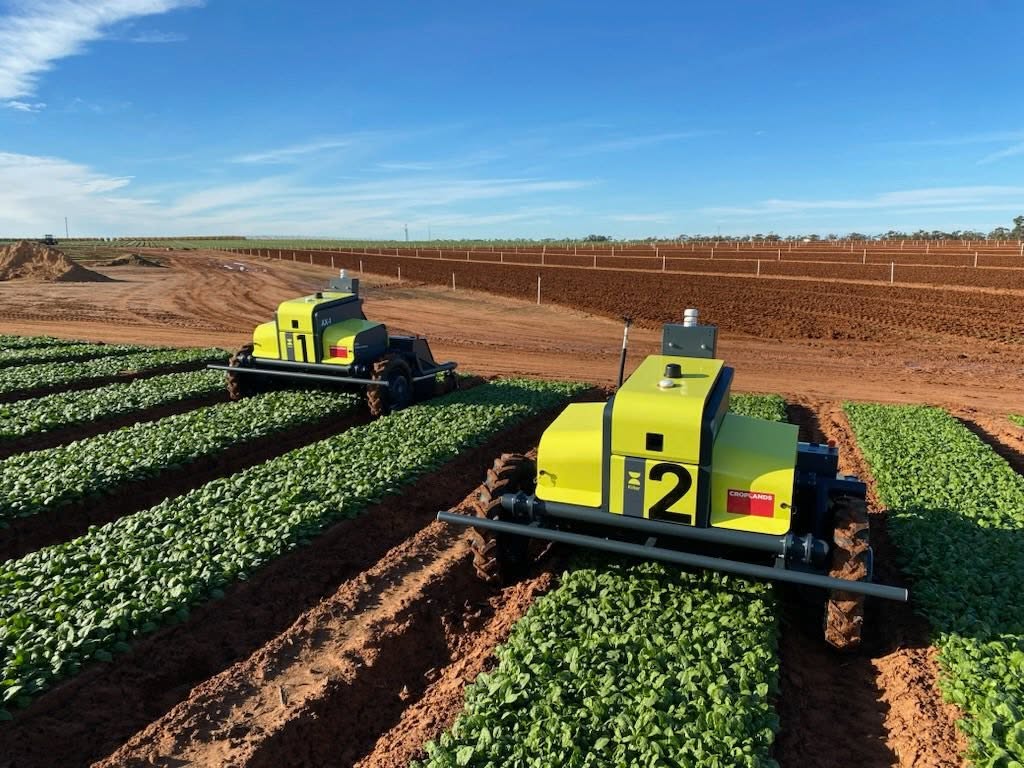
Meet the Kilter AX-1
We are pleased to release the Kilter AX-1, an autonomous robot in the vegetable market with precise single droplet weed detection technology.
Green on Green
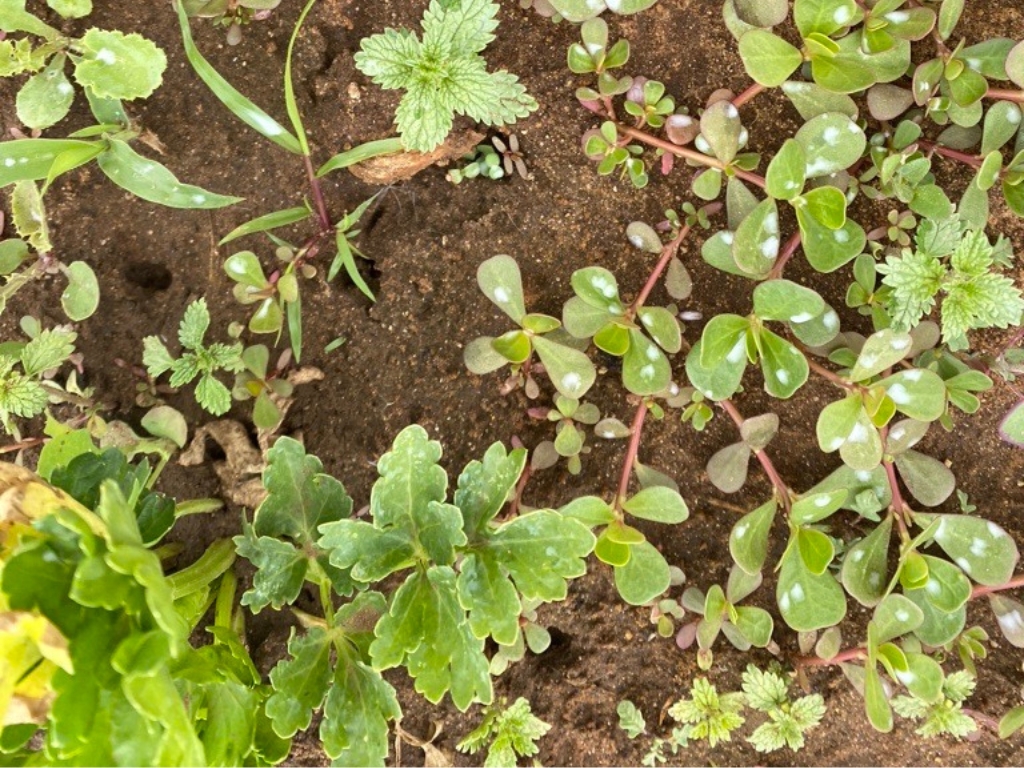
With AI vision, the AX‑1 identifies and targets weeds in a 360‑degree area around each crop.
Single Drop Technology (SDT)

Using Single Drop Technology, the AX‑1 applies a 1150‑micron VMD droplet every 6mm, targeting weeds at their earliest growth stage while helping preserve soil nutrients and moisture.
Autonomous Solutions
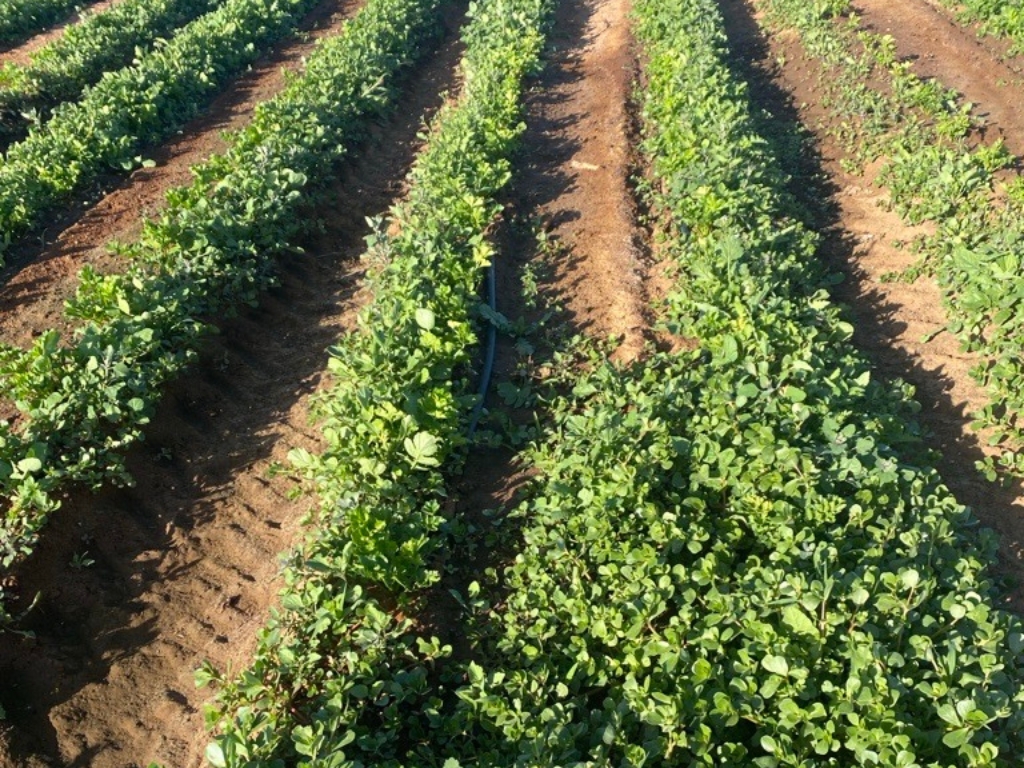
The Kilter AX‑1 is a lightweight autonomous solution that enables earlier weed control on crop beds, while freeing up labour to focus on higher‑value tasks across the operation. Running multiple AX‑1 units increases productivity, while their compact size and portability make it easy to move between locations.
Supports Organic Farming Practices
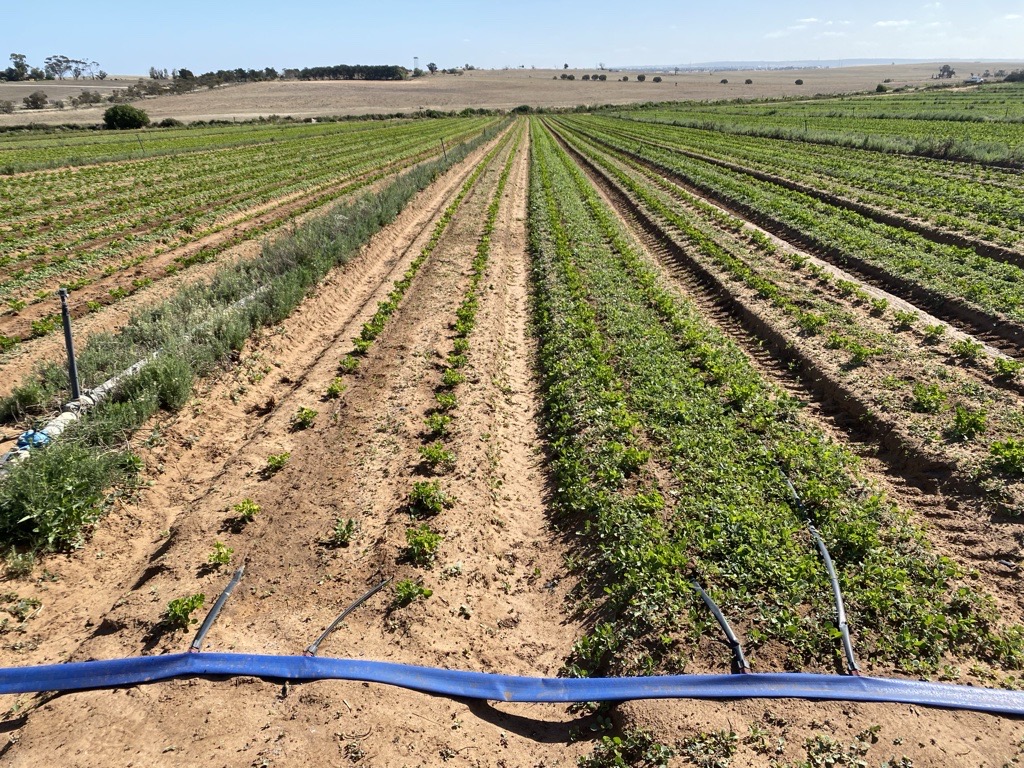
Suitable for both organic and conventional farming operations. Speak to your local Croplands Territory Manager to find out how the Kilter AX-1 works for your operation.
Side by side comparison of an organic celery crop before Kilter AX-1 (right) and after (left).
Crop Types

The Kilter AX‑1 platform currently supports 21 crop types, seven of which are under ongoing research and development to meet the evolving needs of modern growers. Crops that are half grey are currently under testing and development.
Check out the Croplands Kilter AX-1
Download the brochure
FREQUENTLY ASKED QUESTIONS ABOUT THE KILTER AX-1
1. How does the Kilter AX-1 adapt to Australian soil conditions?
Australia has highly variable soils, often even within a single paddock. Through extensive local testing, the AX-1 vision system has been trained to recognise a wide range of soil shades, textures and mineral compositions. This includes soils with high quartz content, which can reflect unusual colours back to the camera.
Kilter’s algorithms are continually refined to handle the unique variability found in Australian conditions so it can accurately detect plants and weeds regardless of soil type.
2. Can the AX-1 handle the wide range of Australian weed species?
Yes. Australian weed species emerge at different times across long and varied crop cycles. The Kilter AX-1 with its AI- Driven algorithms, recognising Crops continues to learn and handle existing and new weed specices specific to Australia and New Zealand each time the machines in use. If a grower encounters an unusual weed, they can photograph it and email it to [email protected]. The Kilter engineering team will update the algorithm so the system can identify and target that weed in future. This ongoing adaptation allows Kilter to be tailored to each farm’s specific environment.
3. Does Kilter work across different Australian crop types?
The AX-1 is designed to learn the appearance of each crop at every stage of its growth cycle. The AX-1 currently has over 25 different crop type / classifier algorithms live commercial use across the world.
Examples include:
- Broccolini: The algorithm recognises the crop from early establishment through to canopy closure. During testing we found that weather stress and fungicide issues caused the crop to yellow at certain times. These colour variations have been added to the algorithm so the system continues to recognise broccolini even under stress.
- Lettuce: Growth cycles vary from 12 weeks in winter to 8 weeks in summer. Kilter has been trained to account for these seasonal differences.
- Garlic: Garlic has a 9 month cycle. Throughout this time multiple weed flushes occur, and Kilter has been trained to recognise weeds across these seasonal patterns.
- Onions: Kilter identifies the crop from early growth through to the point where the bulb swells and the canopy begins to fall over. Once the canopy has fully closed, spray penetration becomes limited, so Kilter is used most effectively prior to this stage.
This crop‑specific approach ensures Kilter continues to correctly identify the crop and avoid mis‑targeting even when colour, stress levels or weather conditions change.
4. What happens if Kilter does not recognise a weed or crop correctly?
The Kilter platform is designed to evolve with your environment. If you notice a weed or a stressed crop that is not being correctly identified, simply take a photo and email it to [email protected].
For crop types that arent currently set with its own alogrithms, Kilter is working with ANZ growers, disctributors like us here at Croplands, and all its global partners to bring more Crop types / Classifiers to more growers by using AI – Tools and cloud based data sharing systems. Images from trial units and AI- learning tools are shared to Kilters cloud based data source allowing for new classifiers to be built up in the same amount of time it takes to go through a full specific crop life cycle.
5. Which chemicals can I use with Kilter?
Kilter is compatible with any agricultural chemical that:
- Has a current registration for use on that crop.
- Can legally be applied using a boom sprayer. Kilter is mechanically classified as a boom sprayer, so its use falls within existing application rules.
We recommend avoiding powdered formulations because they increase the risk of blockages in the system.
6. What support is available for setting up Kilter on my farm?
Every farm has unique soil conditions, weed pressure and crop behaviour. Croplands and Kilter encourage growers to work closely with our team during setup to achieve the best results.
We can assist with:
- Engage with local GPS Precision Ag experts to assist with automation and mapping of the AX-1.
- Training the system to recognise local weed species
- Capturing images of the crop across its growth stages
- Optimising accuracy in challenging soils
- Fine‑tuning spray settings for specific crops
SUBMIT AN ENQUIRY
| Kilter AX-1 |
The Croplands Kilter AX-1, the next generation of ultra-high precision, Single Drop Technology (SDT) and autonomous crop-protection for the vegetable market |
ENQUIRE |